

Note: This thread is 4917 days old. We appreciate that you found this thread instead of starting a new one, but if you plan to post here please make sure it's still relevant. If not, please start a new topic. Thank you!
-
Topics Being Discussed Right Now on The Sand Trap
-
"5 Minutes Daily" Practice Challenge 1 2 3 4 1062
By iacas, in Instruction and Playing Tips
- 5 minutes daily
- dedication
- (and 6 more)
- 19,107 replies
- 2,070,306 views
-
- 576 replies
- 126,640 views
-
- 11,968 replies
- 1,118,534 views
-
- 26 replies
- 6,730 views
-
- 5 replies
- 915 views
-



Announcements
-
TST Partners







Coupon Codes (save 10-20%): "IACAS" for Mevo/Stack/FitForGolf, "IACASPLUS" for Mevo+/Pro Package, and "THESANDTRAP" for ShotScope. 15% off TourStriker (no code). -
Posts
-
 Day 35, June 8. Before leaving for work this morning (yes, I'm posting this quite late relative to the practice), I spent 15 minutes practicing at home, into a net. This time, it was primarily 9-iron (full swings), with some UW (full and half) and a few 6-iron.
 -
.thumb.JPG.640dd6f31fe7f6aef91f879119bae1d9.JPG) Day 73: just some mirror work today. Working on feels for being open and getting the front shoulder down.
Day 73: just some mirror work today. Working on feels for being open and getting the front shoulder down. -
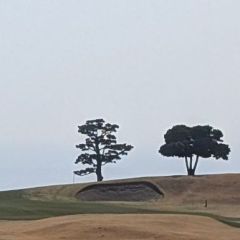 I'm liking this. Finally getting down hands in front of my trail leg pocket consistently at A6 with much better clubhead position (relatively not as tipped out). I can really pressure the shaft through impact with good face control from this position and stay in balance. Won my first one v one march 5&4 against a 4 hcp who routinely drives it 35-40 yards past me in the men's club match play . Frustrated him with some solid iron play and air tight putting.
 -
 Day 279 6-8 Worked on low point control skills work tonight. will be doing this for a few weeks. Tonight was just trying figure out how to get low point forward. No ball.
 -
 Day 8 (Jun 8 26) - Stayed the drill but added two additional irons (7i, 8i and 9i) - using Divot Board and hard foam balls - focused on tempo and purposed pause at the top….noticing how open the club is marking the board when I try to kill it and how much more square (and better distance) when I focus on these keys.
-
Recommended Posts
Create an account or sign in to comment
You need to be a member in order to leave a comment
Create an account
Sign up for a new account in our community. It's easy!
Register a new accountSign in
Already have an account? Sign in here.
Sign In Now