 It’s been some four years since Bridgestone released the J40 line of irons. I had always admired the good looks of the J40 Cavity Backs. So when I heard that Bridgestone had a new line out, I had to take a look.
With Bridgestone and Tourstage, the company has owned two of the most popular brands in Japan for some time. In the U.S. Bridgestone sells a lot of golf balls, but you can hang out at a bag drop for the better part of a morning before a set of Bridgestones comes through. Maybe that should change.
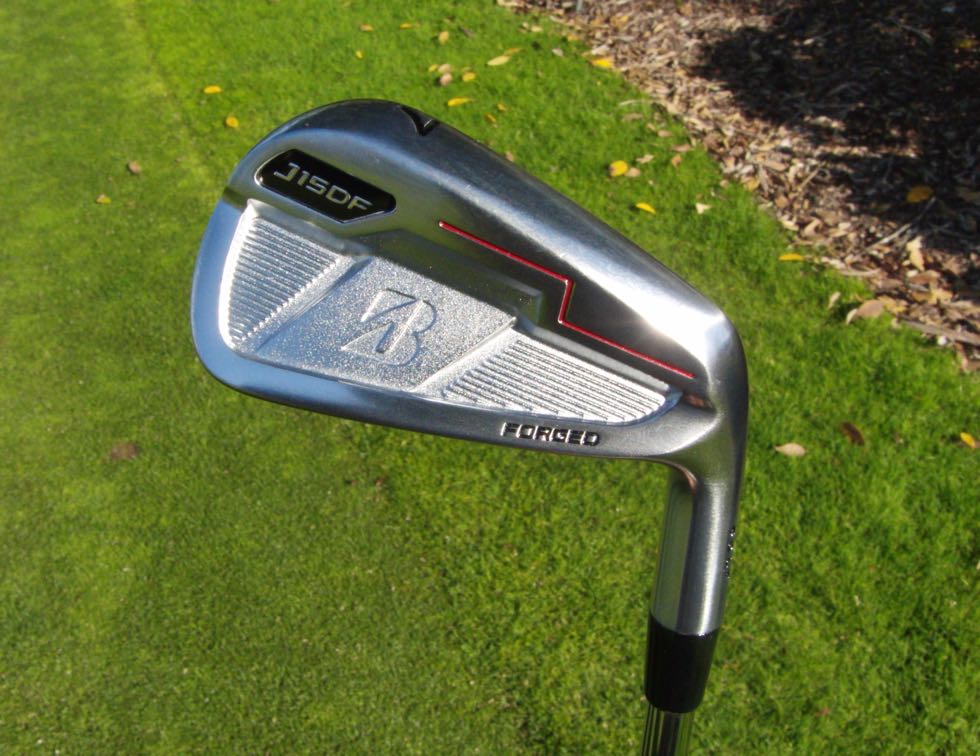
Bridgestone’s 2015 product line is their most extensive for the U.S. market in some time. (The entire J40 line featured just a Cavity Back set, a Dual Cavity Back set, and a Combo set that mixed the two. The J15 lineup includes, from most workable to most forgiving, the J15 Muscle Back, J15 Cavity Back, J15 Driving Forged (J15DF), J15 Dual Pocket Forged, and J15 Cast.
I typically play cavity-back irons on the more workable end of the spectrum (though I suffer from that choice at times). So initially it was the J15CBs that caught my eye with their sleek lines and no frills good looks. Not to mention that when I heard the words “dual forged” I pictured those older hollow-bodied, thick-soled driving irons that came out about a decade ago. But as I learned more about the Driving Forged irons, I became quite interested in finding out how they perform.
And then I saw them.
Continue reading “Bridgestone J15 Driving Forged Irons Review”