
When Nike exited the golf hard goods business in 2016, fans of the Nike golf ball with “RZN” technology grabbed all of the remaining balls that they could, fearful that the ball would never be seen again.
It’s not often that truly new things happen in the golf ball industry. The last may have been the switch to the solid-core ball at the premium level, started by Top-Flite, strongly pushed by Titleist, and now the realm of everyone including direct-to-consumer brands like Snell or Vice. A strong case could be made for the introduction of Nike’s “resin” technology, which isn’t constructed quite like other golf balls.

As best as I can tell, Nike produced balls with Bridgestone for a number of years, but introduced the resin ball produced by Feng Tay Enterprises since 2006.
So, fans of Nike’s later golf balls rejoiced, and the rest of the world? Well, I suppose we were interested to see if the golf world had moved on from 2016, or if Nike was truly on to something that was reborn in the RZN.
Read on to find out what we thought of the RZN HS-Tour and MS-Tour balls.

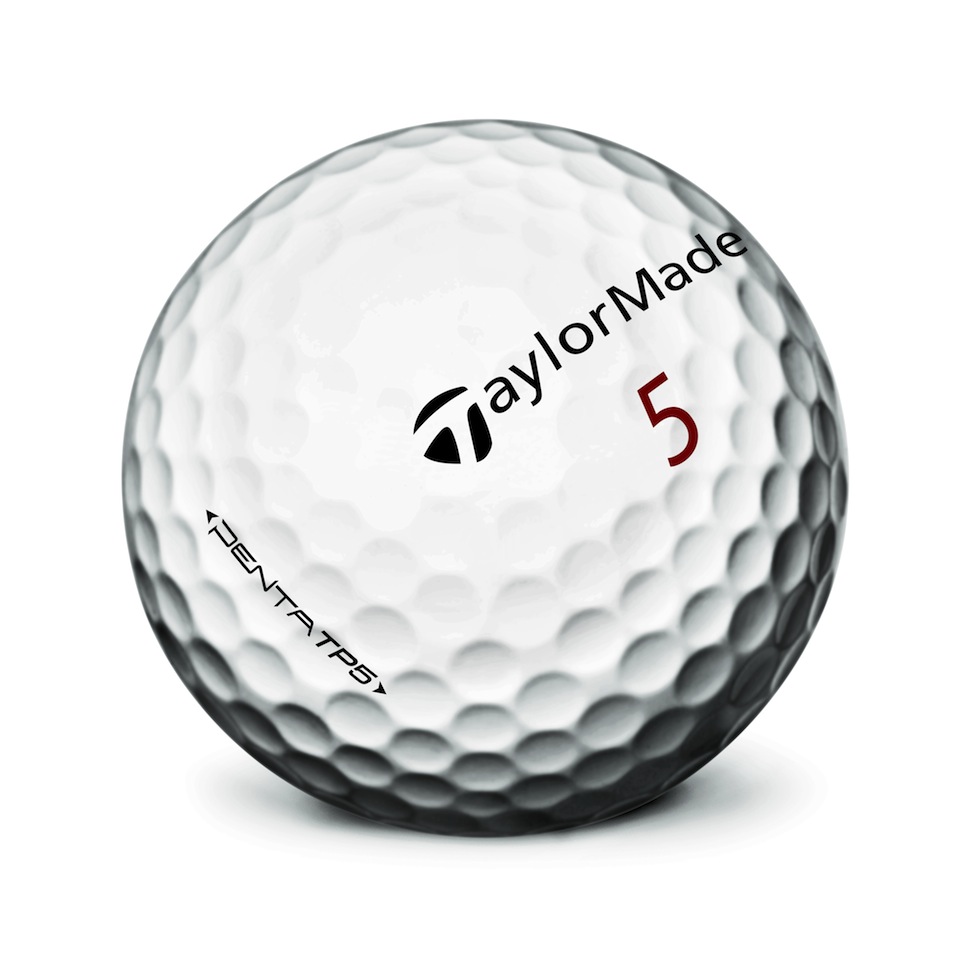 TaylorMade has never shied away from taking chances where technology is involved. The company that brought us three different ways to adjust a driver and a slot behind the face of a fairway wood to increase the CoR is back, and continues to up their golf ball game.
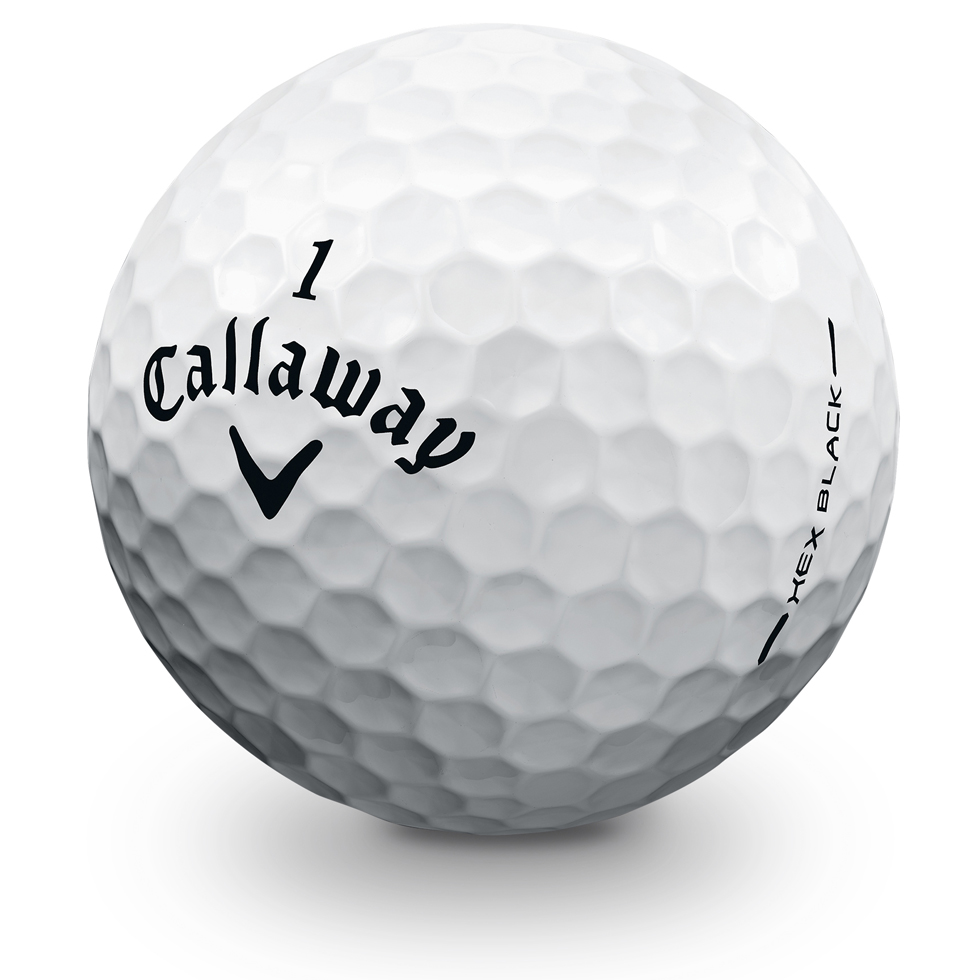 The new Callaway Hex Black Tour ball hits all the marks to compete with the other premium balls on the market.
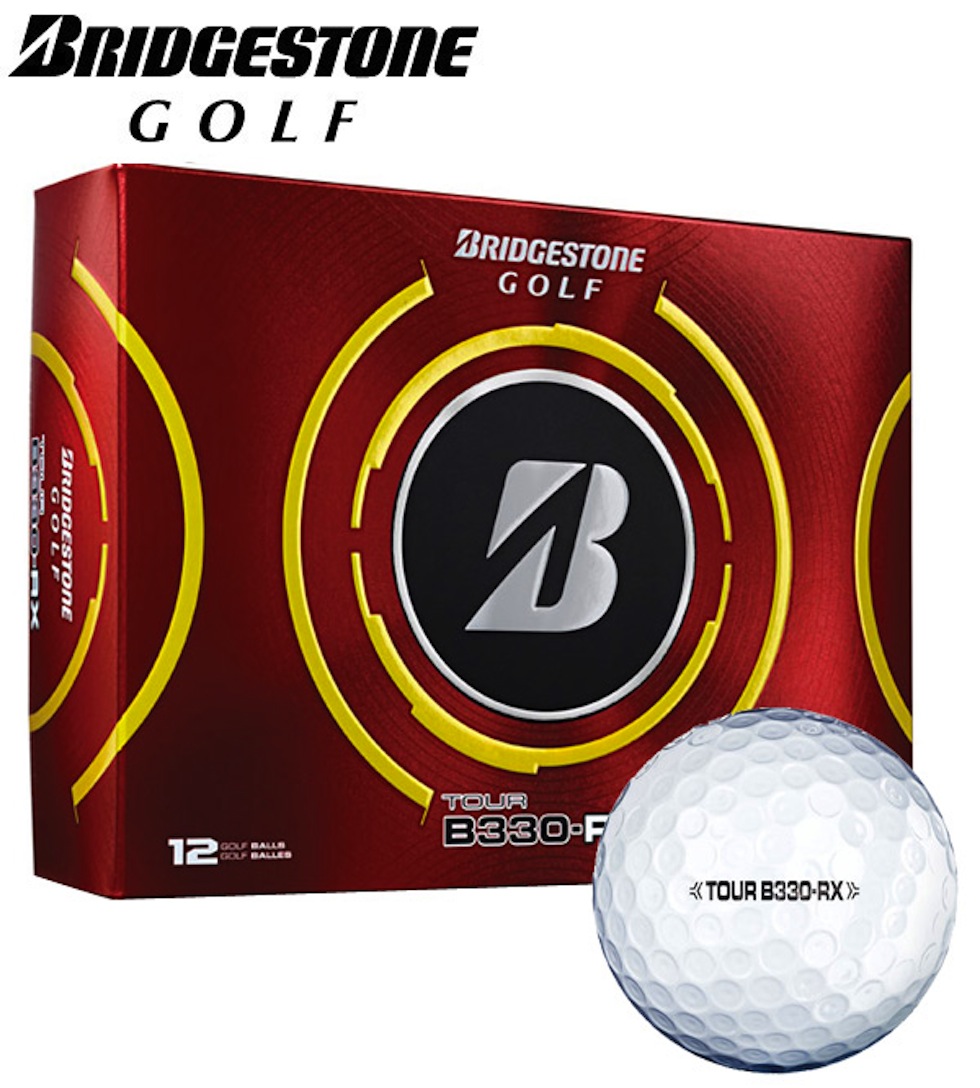 Many golfers might be surprised to know that, in terms of dollar market share, Bridgestone Golf has grown to become the number two golf ball in the industry. Bridgestone Golf began manufacturing its first golf balls on U.S. soil in 1990 under the Precept brand, and while it’s only been seven years since the Bridgestone Golf U.S. brand was launched, the company has been producing golf balls since 1935 and they are the number one golf ball producer in Japan.
 Bridgestone golf might not have the notoriety or the reputation of a big company like Titleist or Nike, but they are quickly making significant inroads into the big business of golf balls.
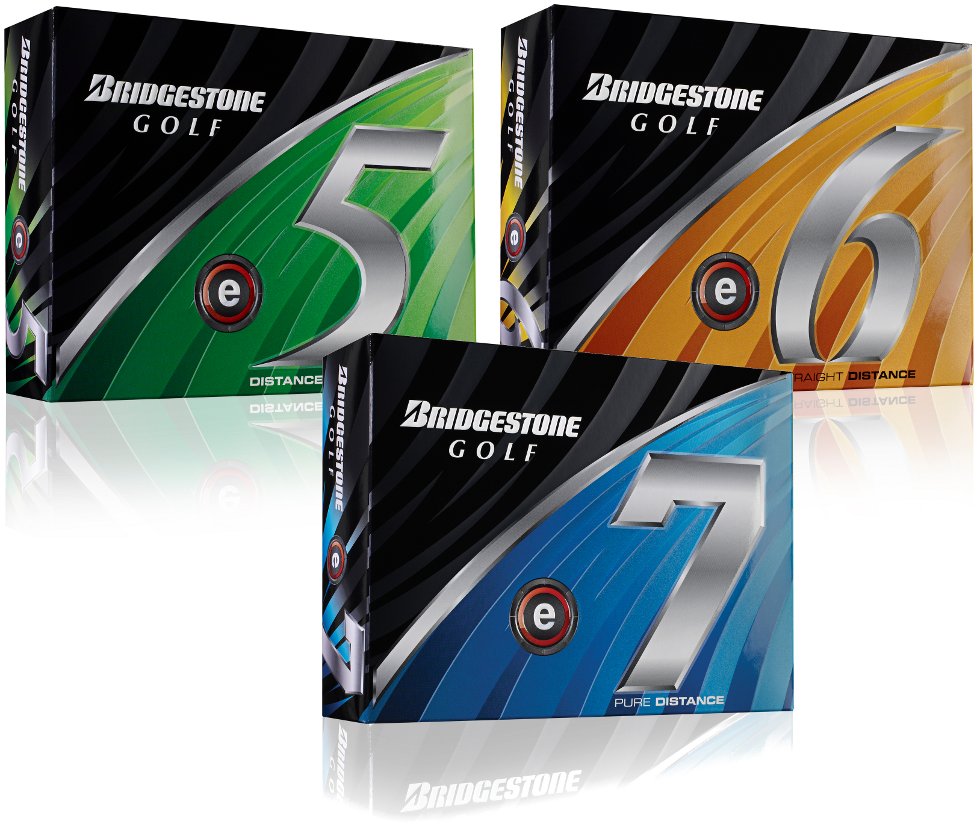 First released back in 2005, the e-Series balls from Bridgestone set out to help the amateur that was looking for the boost in distance that the softer balls couldn’t provide. Throughout the last few years, the e-Series balls have been tweaked and polished
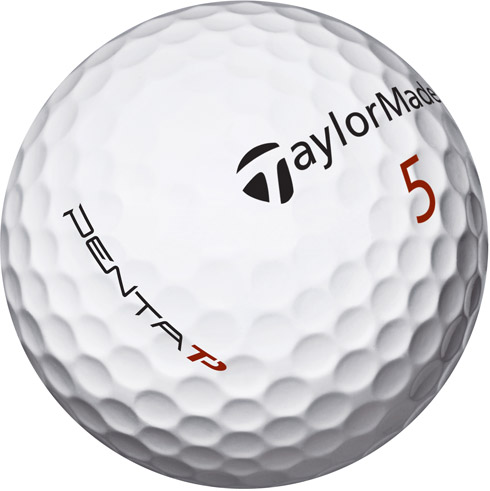 TaylorMade can’t be accused of shying away from technology. If anything, the company behind “MWT” and “FCT” and countless other technology acronyms is one of the most technologically adventurous around.