
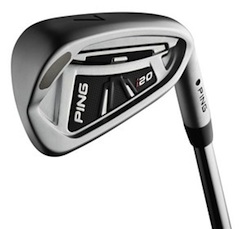
 PING’s successful line of G-series irons has focused on maximum forgiveness for all players, but it’s i-series has been geared specifically to players who are looking for a middle ground between the G-series and the blade-like S-series. The i20 irons attempts to satisfy that audience by utilizing a series of designs that make the long irons forgiving and high-launching while blending in more-penetrating mid and short irons offering control for precise shot making. PGA Tour player Mark Wilson won the 2012 Bob Hope Humana Classic the first week he had the new PING i20 irons in the bag. Not a bad introduction for PING’s latest i-series offering. The i20 is for players as good as Mark Wilson all the way to your average mid-handicapper. Following in the tradition of previous models the i20 is a cast golf club with a progressive set design that delivers for a lot of forgiveness with a ton of playability.
It was great for The Sand Trap to meet up with PING Senior Design Engineer Marty Jertson to learn more about these irons at the PGA Show in Orlando this year. Marty not only knows how to design great performing clubs but he can also play himself, qualifying for the Justin Timberlake PGA Tour event twice and qualifying for last year’s PGA Championship. The Sand Trap was able to get some of the finer technology details from that most golfers don’t know about.
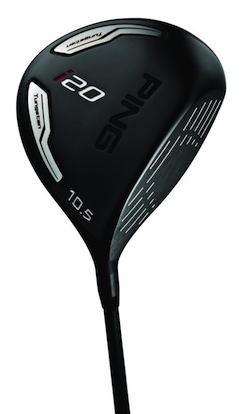 PING’s 2009 i15 driver was aimed at players ranging from low single digit handicaps to players at the tour level and ran into some design issues. The CoG (center of gravity) was fade biased, and the bulge was too pronounced making it too hard to control even for most tour players. There was a small following of players that loved it because it was lower spinning and since the CoG was closer to the face, the ball came off hot. PING learned from this endeavor when engineering the new PING i20 driver. PING has also been able to broaden the handicap range for the i20 making the i20 a forgiving “players” driver. The newest i-series driver is still targeting players looking for a lower launching, lower spinning driver but with the needed forgiveness that the i15 was lacking.
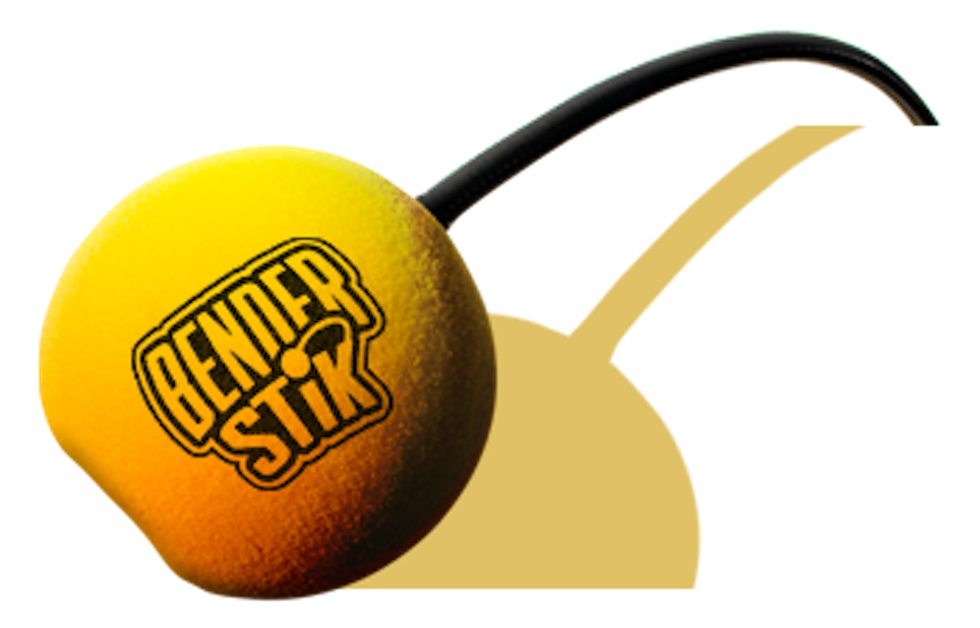 What if I told you that after the first five years of playing golf the odds of lowering your handicap by three strokes or more, is unusually rare? It almost never happens. The reason is because golfers revert back to our old habits. That’s why trying a tip in the latest golf magazine or listening to the Golf Channel doesn’t improve people’s games. Here to help is golf’s new training aid, the Benderstik. It’s designed to help you consistently working on a better motion by giving you instant feedback.
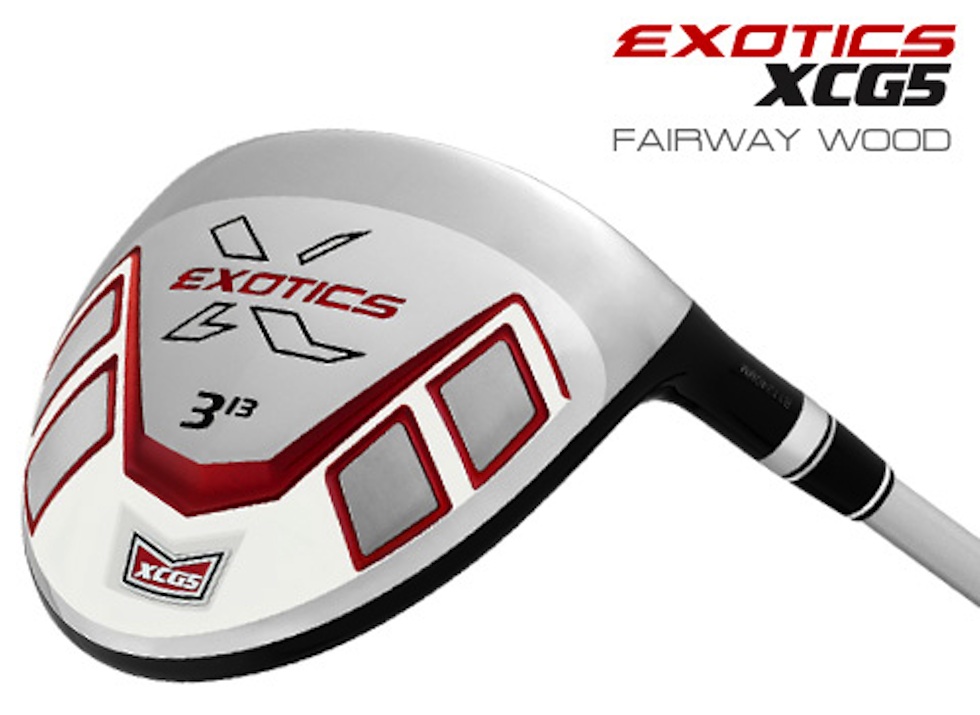 This seems to be the year where fairway wood technology is the topic of conversation. Top companies are making distance claims, going longer, lighter, adding slots on the crown, slots on the sole to achieve a boost in distance. Tour Edge may not have the big marketing budget of some of these companies but they have a steady history of great fairway woods and the
 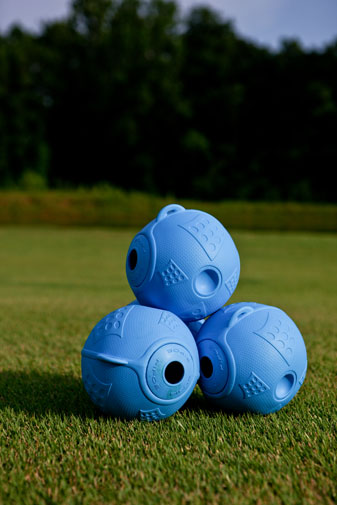 Search the Internet for “golf training aids” and you’ll find a variety of gadgets that attach to your body, your club, the ground, your golf bag, etc. You’ll find flimsy and bulky devices ranging in price from $5 to $500. These training aids usually only fulfill a couple purposes, whether it’s fixing swing plane, ingraining an effective putting stroke, or improving swing speed. Hopefully from this review we’ll see how the
 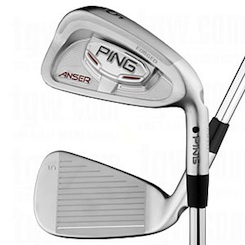 The Anser carries the same name as one of the early iron models Karsten Solheim produced before he transitioned to the popular investment-casting process. The newest version pushes the forging process to create performance benefits not previously associated with a forged club.