
 Before this year, Jason Dufner didn’t have much going for him. Sure, he had made over $7.5 million dollars in his career, but he had yet to win a PGA Tour event and he had just 16 top-10 finishes to his name. Prior to 2012, Dufner had missed the cut in over 40 percent of the events he played and his highest placing in the FedExCup was 25th (in 2011). Add to that his major-league choke in last year’s PGA and his laughable last name, things weren’t looking up for Jason Dufner.
But this year? His only missed cut was his first event, the Sony Open in Hawaii, and he has hardly come close since. A few weeks after a solid T24 at Augusta (his highest finish in the event) where he held the 36-hole lead, Dufner broke through at the Zurich Classic of New Orleans the last week of April, carding -19 and beating Ernie Els in a playoff while also holding off world number one Luke Donald. He’s also spending time with the golf team from his alma mater, Auburn University, and quoting Kanye West on Twitter (he’s actually an interesting golfer to follow on Twitter). After two wins, Dufner leads the Tour in money earned (already having surpassed his career high), ranked eighth in the world, and I think at one point he might just have cracked a smile. Maybe.
 When it comes to the rules, golf is really unlike any other sport. What other sport can you name in which you call penalties on yourself? Most sports have a referee and it is almost an art to cheat until you are caught. Just watch any NFL game and watch the linemen battle it out and likely you will see holding or some other mischievous activity on every play. The NBA is the same way with all the pushing and elbowing. As long as the ref doesn’t call it, you are free to do it, even encouraged. In golf, if you are in the trees and your ball moves while you are addressing it, it’s on you to call the penalty on yourself.
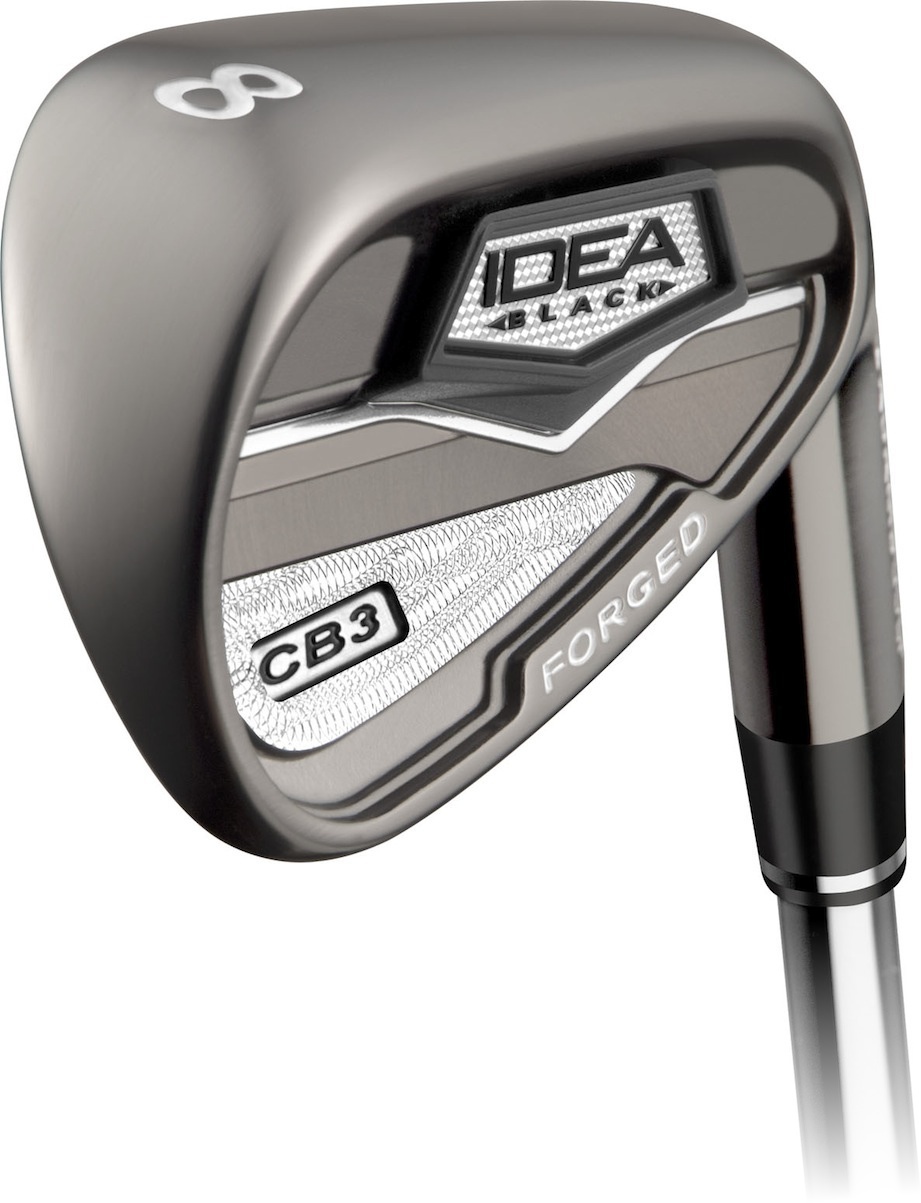 Adams Golf doesn’t really have much of identity right now. They’ve stopped airing the “number one hybrid on the Champions Tour” commercials (or maybe I’ve stopped watching Golf Channel at 2 AM?), and they don’t really have a repetitive nomenclature. They’re not revered for their huge revenues like Nike or TaylorMade, and they don’t have the rich history of Titleist or Mizuno.
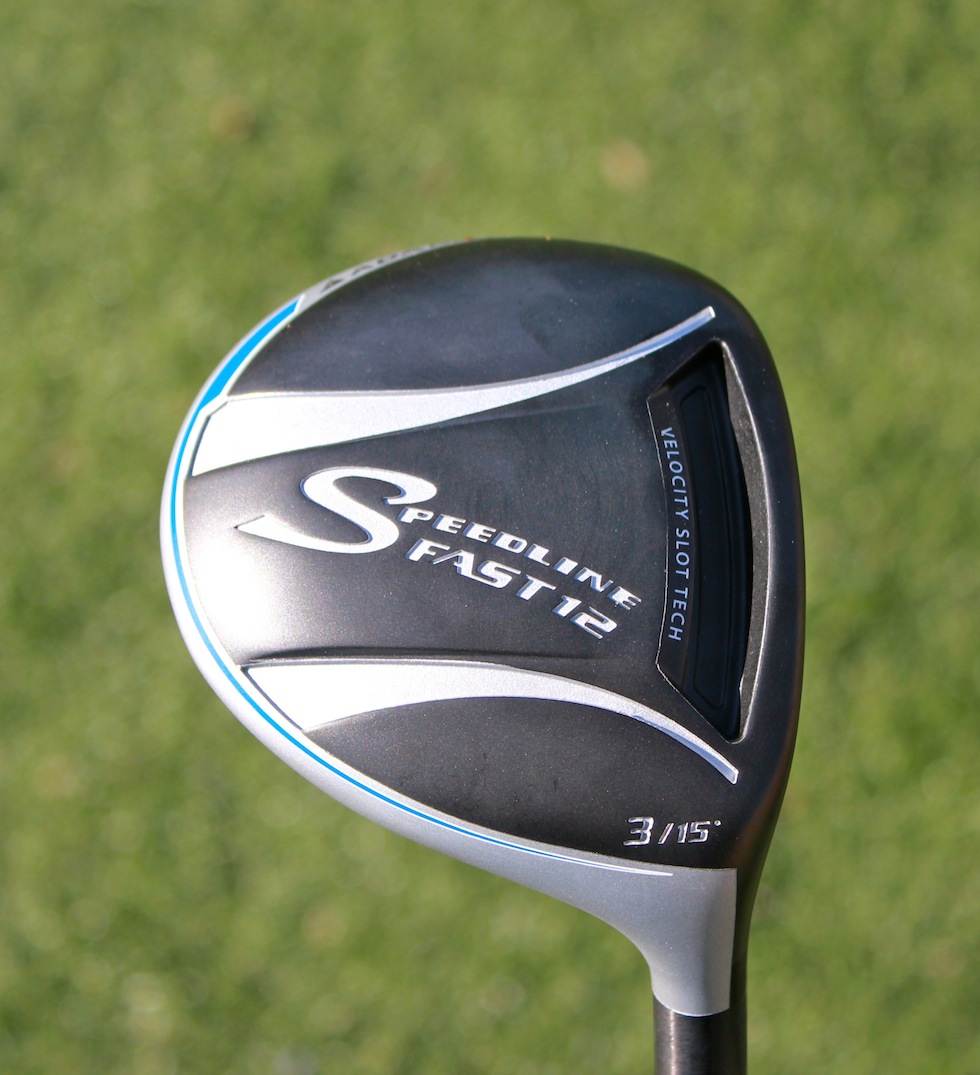 Short of only the TaylorMade Rocketballz, this year’s Adams Fast 12 fairway woods are some of the most hyped in the business. They have feature after feature designed specifically to give golfers the most distance, not only on-center strikes but on off-center hits as well. It remains to be seen if their sale to TaylorMade-Adidas helps or hurts the company, but in recent years Adams has been putting out some of the best woods in golf, and this year seems to be no different.
 Alert the media golf fans, Jason Dufner had a bad round. I kid, but it did seem for the last month that Mr. Dufner could do no wrong. Heck, even Zach Johnson tried to give the tournament back to him on 18 by not returning his ball mark back to its original position. Good thing Peter Kostis caught it before Zach signed his scorecard. Either way, congratulations to Zach Johnson and welcome to another Hittin’ the Links.
 2012 is going to be a big, big year for Cobra. For a company that looked like it may be falling by the wayside, some major changes have taken places. Earlier we saw the company partner up with Puma and along with that came the signing of two of the game’s brightest stars, Rickie Fowler and Lexi Thompson, to endorsement deals. Along with the new star golfers are the new AMP series of clubs, and while the bright orange color may be a little unique, there is something for players at every level.
 Butch Harmon is one of the biggest names in golf. He has been Golf Digest’s top-ranked golf coach every year since 2003, and he is the mastermind behind Tiger’s early career swing. He has coached some of the biggest names in golf, including Greg Norman, Phil Mickelson, Ernie Els, Adam Scott, and Natalie Gulbis.