
 The lyrics for the song used to help advertise the children’s toy the Slinky included the line that “for fun it’s the best of toys.”
If the Swinkey – dubbed “The Golfer’s Toolbox” – were the product being marketed by a song, the line would read “for golf it’s the best of tools” or something, and except for the fact that many would be unable to get the damn song out of their heads, it wouldn’t be far from the truth.
Training aids in golf are expensive. That’s because if you’re in the market for a golf training aid, you’re more than likely able to afford an expensive one. At $99, the Swinkey is an expensive training aid if you view it as “a stick.” But the Swinkey is more than a stick, and this review may convince you that $99 is a reasonable price.
 “Stay out of the bunkers” is the warning from the starter on the first tee, which also happens to be the putting green at Atlantic City Country Club.
 The Anser carries the same name as one of the early iron models Karsten Solheim produced before he transitioned to the popular investment-casting process. The newest version pushes the forging process to create performance benefits not previously associated with a forged club.
 Bridgestone golf might not have the notoriety or the reputation of a big company like Titleist or Nike, but they are quickly making significant inroads into the big business of golf balls.
 First released back in 2005, the e-Series balls from Bridgestone set out to help the amateur that was looking for the boost in distance that the softer balls couldn’t provide. Throughout the last few years, the e-Series balls have been tweaked and polished
 When you think of golf in Scotland, you might think of the great courses, the unpredictable weather, or the rich history of the game, and yet there is an integral part you may overlook and that is the importance of the role of caddies.
  We all know that taking a divot is a good thing if it’s made in front of the ball, but even if it’s behind the ball, there is one result that is the same – dirt and sand caked on the face and in the grooves of your club. So unless you want the face of your club to look like a 5 year old kid went wild with 24-grit sandpaper after a single practice range session, after nearly every shot you’re walking back to your bag, wiping down the face with a towel, and possibly cleaning the grooves out. While you’re doing repeating this process, it doesn’t seem as if that much time is wasted, but think of how much more efficient your practice could be if you never had to go back to your bag to clean your clubs.
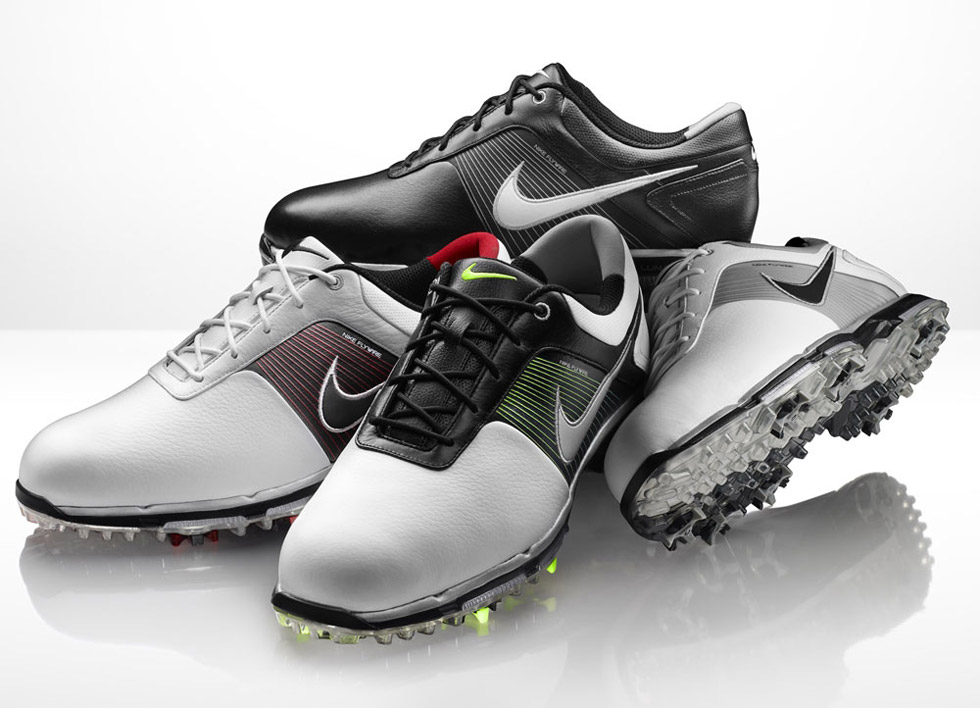 Though
 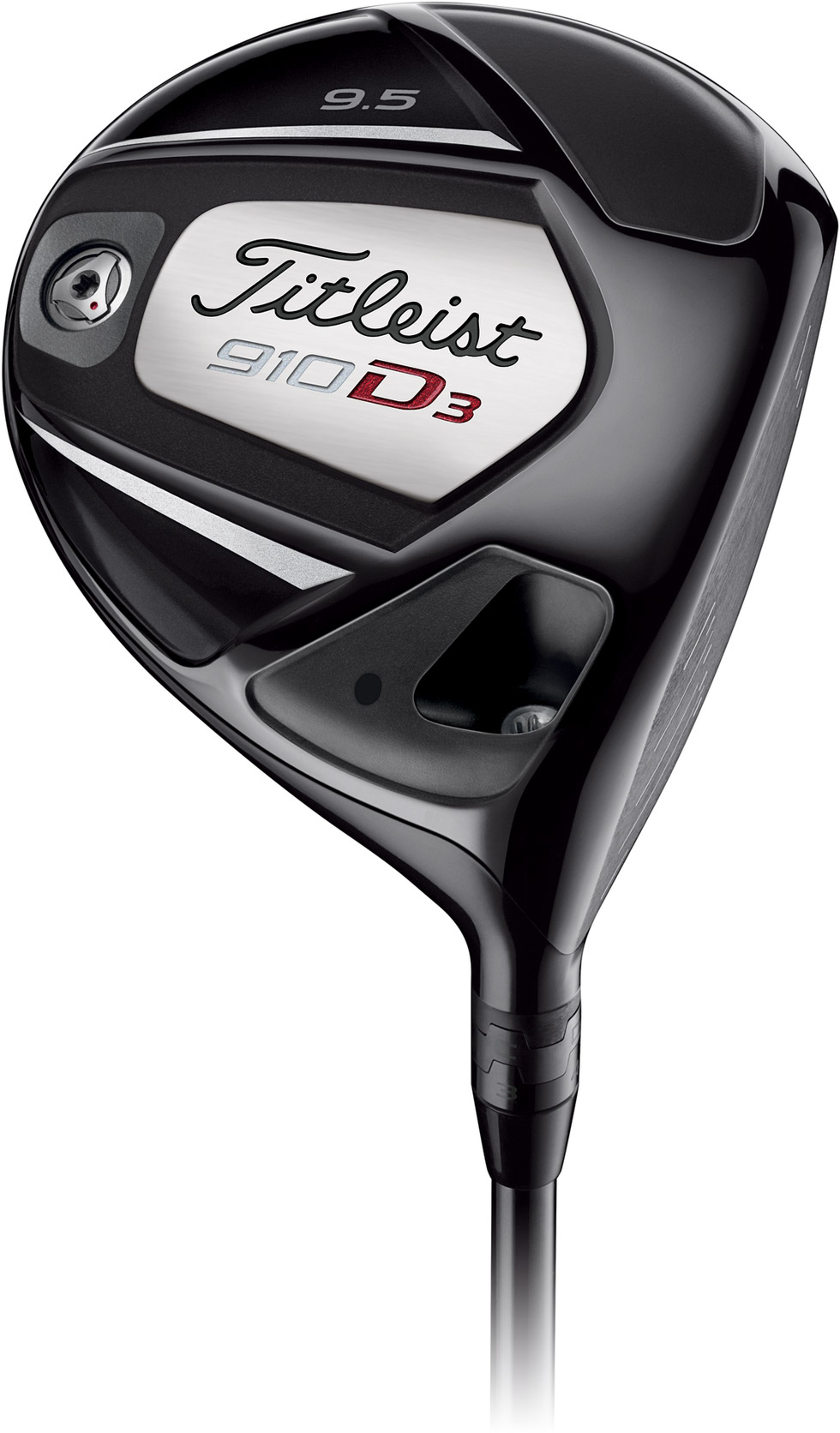 In the past several years, my “gamer” drivers have ranged from the TaylorMade r7 425 TP to the Callaway FT-3, various Titleist drivers, and last year, the