
 Royal Liverpool is the site of the 2014 British Open. Last time we were there, Tiger navigated his way to a win only hitting his driver once. When it comes to the British Open, the weather conditions dictate how the course will play and the rumor is the course is not as dry and the rough is up, so Tiger will likely not be able to it the same way he did last time. Speaking of Tiger there are numerous question marks about how he will play this year considering it is only his second event back from his back surgery.
Defending champion Phil Mickelson come to Royal Liverpool following one of his worst starts ever. His only top ten was at Abu Dhabi early in the season, but with Phil being Phil we can never know what to expect. There are numerous exciting story lines surrounding the event so with that lets see what the staff expects for the event.
 When one thinks of the golf manufacturers out there on the cutting edge of innovation, companies like TaylorMade and Callaway spring to mind. It seems that these companies always have some new technology that promises to add distance and increase forgiveness and some time later similar technologies are adopted by the rest of the golfing world. However, one of the original innovators in the golf world is PING, and they are doing it again with their new G30 line of drivers, woods, hybrids and irons. According to PING, they were able to achieve significant distance gains with the new clubs without sacrificing performance in any other key area such as forgiveness.
 It’s a major week (again)! Though this past week had two majors, the Women’s British Open and the U.S. Senior Open, it’s the upcoming men’s Open Championship at Royal Liverpool that will get the most attention. It should be interesting.
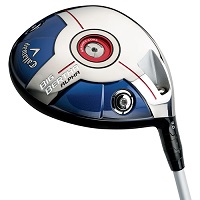 Rebranding a popular line of golf clubs has got to be a very daunting task. If you are from my generation, you remember the first popular metal golf clubs to hit were the Big Bertha line of drivers from Callaway. The market share at the time was very big; they ruled the “oversized” driver market until TaylorMade got wise to shift to titanium.