 The darling of the 2014 Women’s U.S. Open at Pinehurst this year was not the winner Michelle Wie but eleven-year-old Lucy Li. Her colorful outfits and bubbly personality stole the show for anyone who watches women’s golf. She handled the pressure of being only eleven at playing in one of the biggest events in women’s golf. But this begs the question, is eleven years old too young to play in a U.S. Open?
Note that Lucy was not even the youngest player who attempted to qualify! She was the youngest to qualify but there was a nine year old, Alexa Pano from Florida, who was not successful but gave it her best effort. My daughter is still quite young, but nine years old seems on the young side to be playing in the biggest stage of women’s golf. At nine, I never gave a thought to giving press interviews people asking me questions in press conference. Is this too much at such a young age?
Continue reading “Is Eleven Years Old too Young to Play in a U.S. Open?”
 When one thinks of the golf manufacturers out there on the cutting edge of innovation, companies like TaylorMade and Callaway spring to mind. It seems that these companies always have some new technology that promises to add distance and increase forgiveness and some time later similar technologies are adopted by the rest of the golfing world. However, one of the original innovators in the golf world is PING, and they are doing it again with their new G30 line of drivers, woods, hybrids and irons. According to PING, they were able to achieve significant distance gains with the new clubs without sacrificing performance in any other key area such as forgiveness.
 We’re in that weird low point that happens in the middle of every golf season. Post-Masters, post-Players, pre-U.S. Open; we’ve got all the anticipation of the beginning of the season without any of the knowledge that the end of the year brings.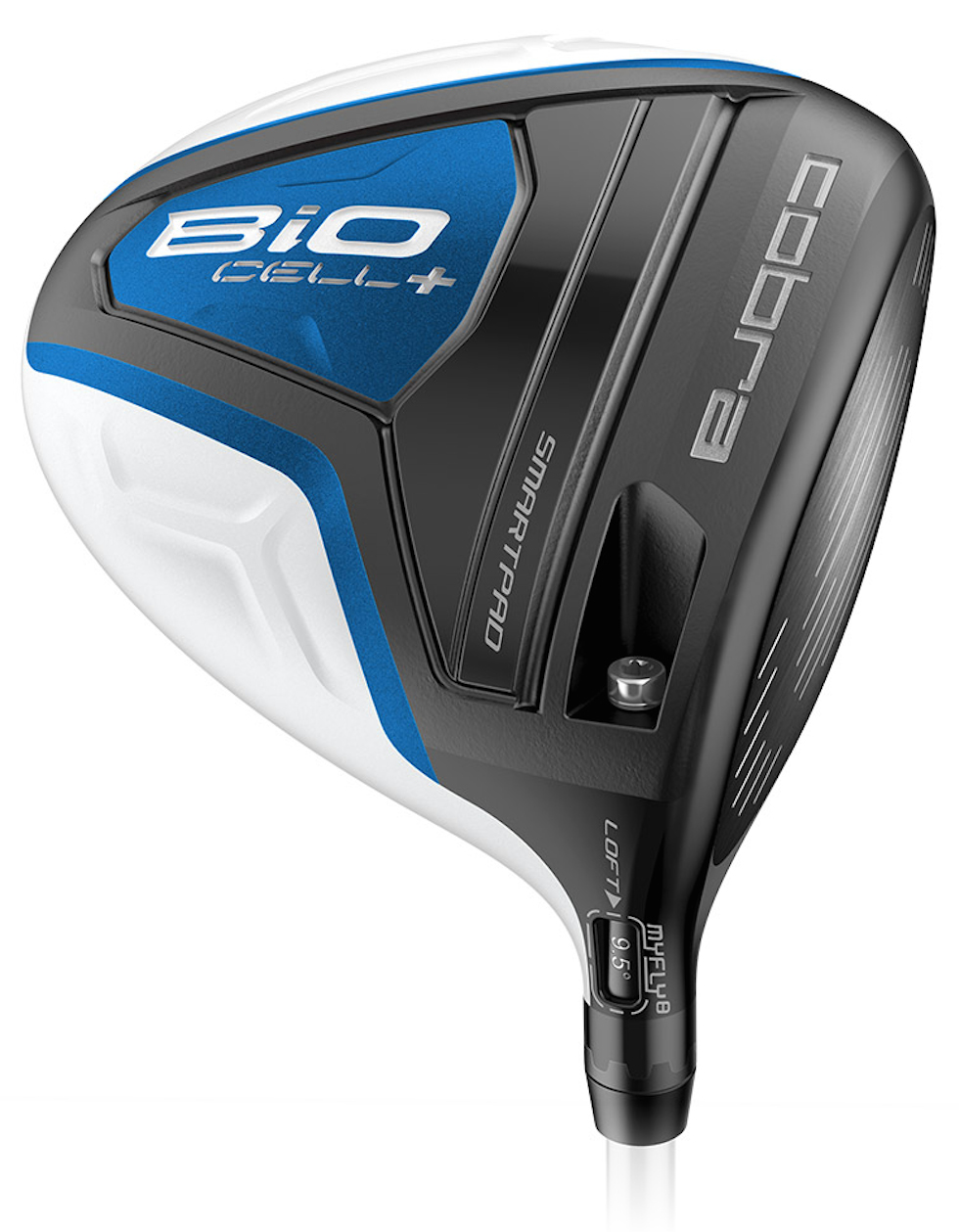
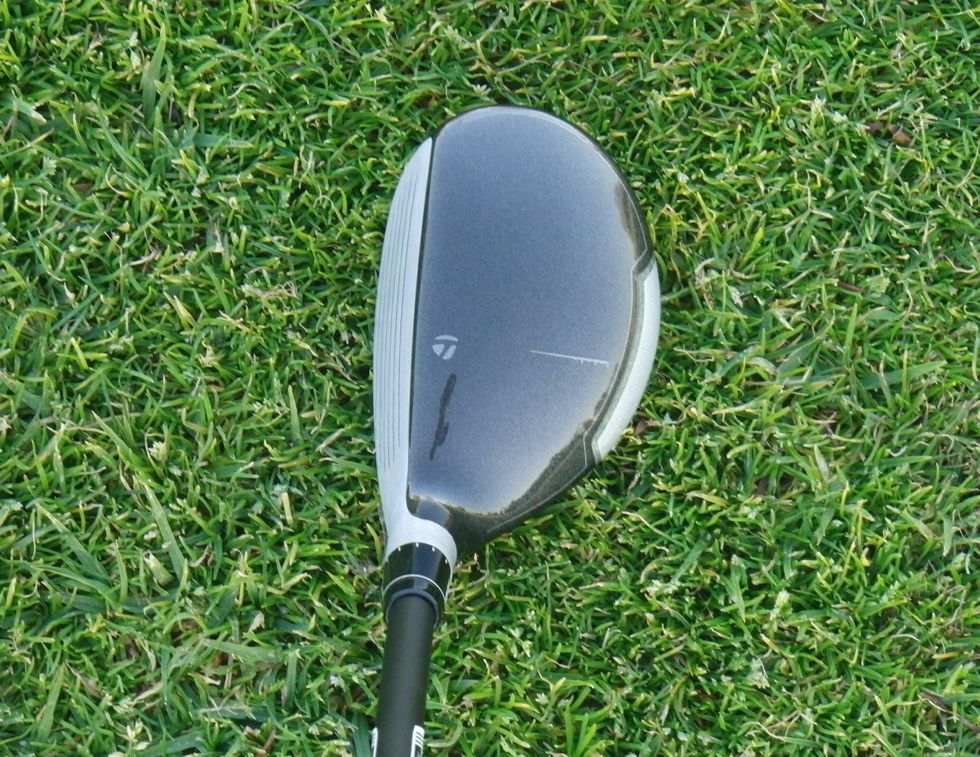
 One of the most hyped family of clubs currently out there is the SLDR from TaylorMade. First came the driver with its signature movable weight that (yes) slides toward the toe or heel to adjust ball flight. This was not a new idea, as Mizuno and others had used a slide-able weight in the past. No, the real breakthrough technology in the SLDR family is the low-and-forward center of gravity (CG). And unlike the slider weight, the low-and-forward CG is found throughout the line, including in the fairway and rescue woods.