
 The U.S. Open at Oakmont is over, and Angel Cabrera dusts Tiger Woods and Jim Furyk in the final round. Angel also birdied his last hole Friday to bump Phil Mickelson from making the cut. Full analysis of the course, the players, and the 107th U.S. Open and more in this week’s episode of Golf Talk.
You can subscribe to the RSS feed for our podcasts here or download Episode 061 as an MP4 file. For those who want to subscribe to us in iTunes, click here.
For this week’s Show Notes – links to articles we discuss in the show and additional information – just read on.
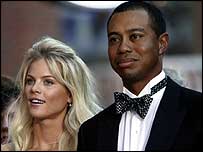 Tiger Woods announced today on
  We all know how hard the U.S. Open is, and we knew how hard the it was going to be at Oakmont Country Club, but did it live up to expectations?
 As we saw this weekend, Oakmont Country Club proved itself capable of growing some of the toughest, most gnarly, luscious grass this side of Kentucky. So while some are calling Oakmont the true victor this year, I think it might have been modern agronomy that really won.
 The USGA protected their precious score of par and the Oakmont County Club members must have had evil grins on their faces as their course took the best golfers in the world and smacked them silly.
 What follows is a transcription of my notes from the grandstands near the 18th green on Sunday at the U.S. Open.
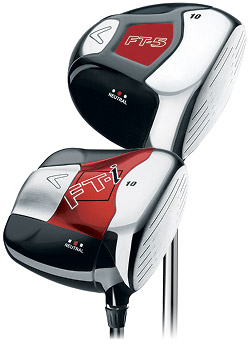 A pair of new drivers from Callaway Golf hit golf shops earlier this spring. Though they share the company’s Fusion multimaterial technology, the two 460cc big sticks couldn’t be much more different.
 The USGA’s U.S. Open is, without question, the most difficult tournament in golf. Since its inception in 1895 thirty-two winners have been decided in playoffs. The first playoff was won by Willie Anderson of Scotland in 1901. An eventual four-time U.S. Open winner, Anderson won three U.S. Opens in a row from 1903 to 1905. It is a record that still stands. Hard living Anderson died at age thirty of “hard living.”