Villegas gets a win, I get the shanks, and Santa gets beaned.
Share this with your golf buddies:
 Ever have one of those rounds where just moving the ball in the general direction of the hole becomes an almost impossible ask?
Over the weekend, I joined a great group of TST members and staff for a little golf in Erie, PA. I’ve been playing pretty well of late and even dropped a couple strokes off my handicap in the last six weeks. So there I was warming up and hitting the ball solidly. All seemed right in the world. Then it happened… “El hoselo. The laterals. You know, the S-word.”
To make a long painful story short, it got ugly. I shot one of my worst rounds in years and only hit one solid iron all day. Most shots were fat, badly pulled, or both. On the bright side, I only shanked two or three. Why do I share this disturbing story? Because the overall theme of HTL #400 is redemption.
In golf, there’s always some hope for the next time you tee it up. You could find that one little swing key that straightens things out, you could make a hole in one or even an albatross, you might birdie or par your nemesis hole, or you could win that $2 Nassau with your buddies. That’s why we keep coming back. Let’s hit the links.
Continue reading “Volume Four Hundred”
Share this with your golf buddies:

 First, thanks to all the TST readers and forum members who submitted questions over on the forum. Also, a big thanks to Andrew Fischer for the answers.
 I can remember when I first learned that Tiger and Sean Foley were going to work together I was expecting Tiger to dominate again, and quickly. Sean was a rising star, with a stable of players such as Sean O’Hair who at the time was playing great, Hunter Mahan, Justin Rose, lots of guys who were and still are rising stars. Tiger was returning from scandal and a very broken relationship with Hank Haney, but was and still is the best player to ever play the game. The match looked very good.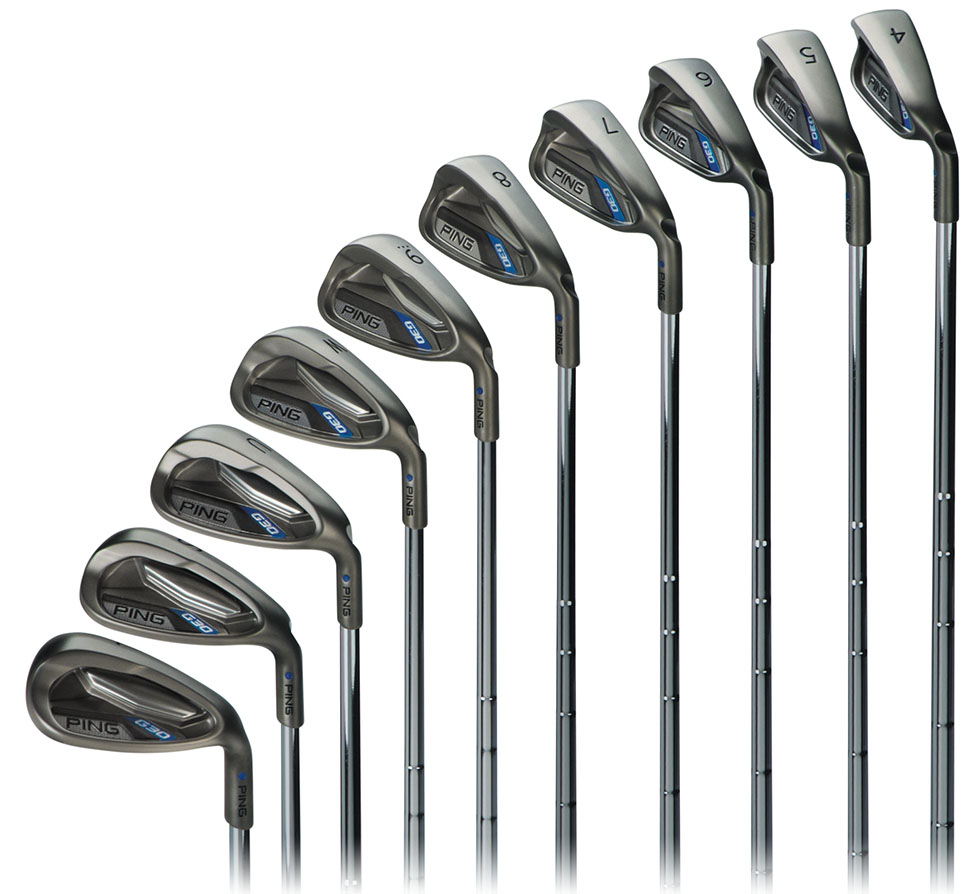
 This past year, the golf world saw Callaway revive a couple of old favorites with the reintroduction of the Big Bertha woods and Apex irons, the latter of course being made famous under the Ben Hogan name. Earlier in the month the Big Bertha’s received their first update with the V series and now it’s time for a new set of Apex irons. It should be no surprise that Callaway takes feedback and suggestions from its tour players seriously, so when they asked for a new blade, the company got to work; the result is the new Apex Muscleback irons. In addition to the new blades, the company has new matching utility irons to go along with them.