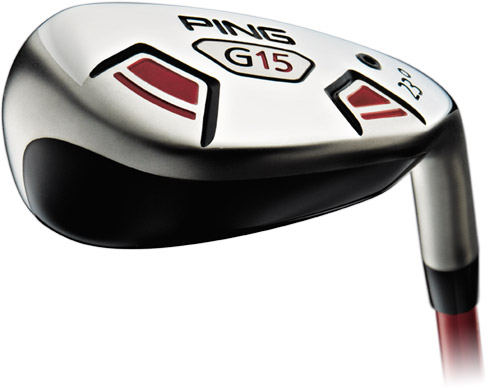
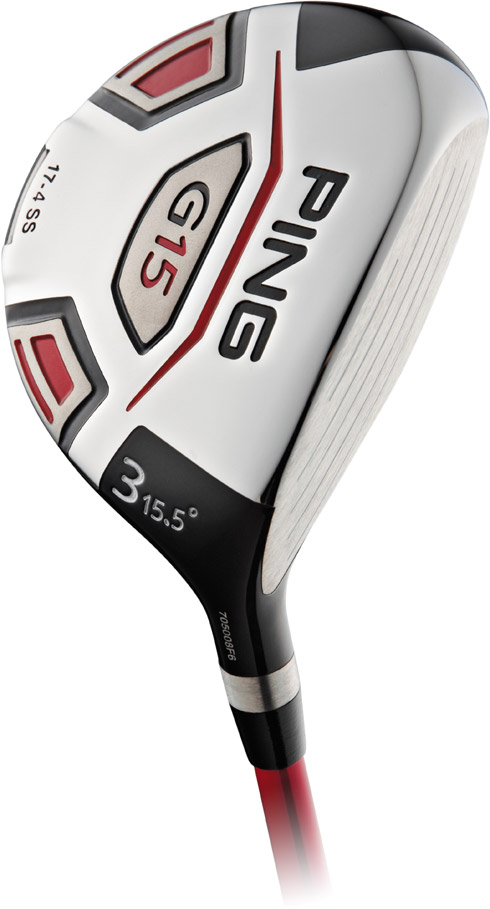
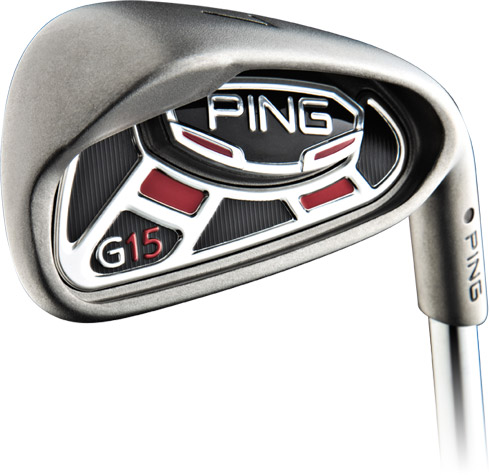
 PING has been a major innovator in the industry for quite a while. No one can argue the significance of the innovations they’ve created to help all players. Even in PING’s inception, Karsten Solheim made history as being the first to use heel-toe weighting in the custom putters he created. 50 years later, that tradition of forward thinking and advancement continues, as the new G15 lineup is evidence of how far along they’ve come.
Up until this point, my experience with PING clubs had been limited to their drivers and putters. Though I never pulled the trigger on it, the Rapture V2 was (in my opinion) one of the best drivers I had ever hit. The G10 however wasn’t too far behind it, which is the reason I was pretty excited to have the opportunity to review the hybrid in the latest of PING’s G-series.
 The folks at
  When you are setting up to a “classic” iron, what kinds of thoughts run through your mind? For me, I imagine the silky smooth feel of the sweet spot. I visualize the ball curving through the air at will. I can almost see the ball falling to the green with just enough spin to bounce twice and then stop. However, put a blade in another player’s hands and the reaction could be entirely different. They might look down desperately searching for that microscopic sweet spot, trembling at the thought of the painful reverberations of a mis-hit.
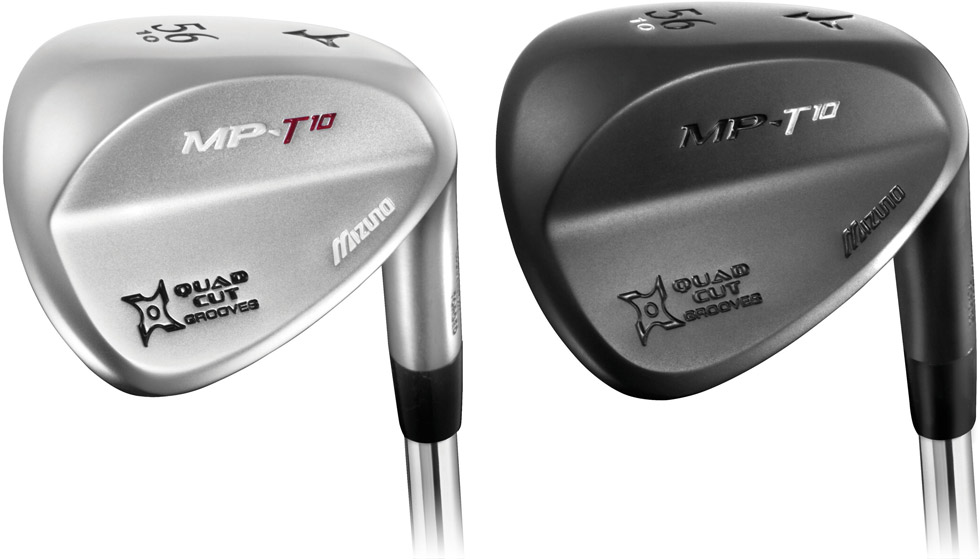 Late 2009 seems like an odd time to release your most aggressively grooved wedges to date, but that’s just what Mizuno is doing with the MP T-10 wedges. The wedges are similar to the company’s MP-T wedges (
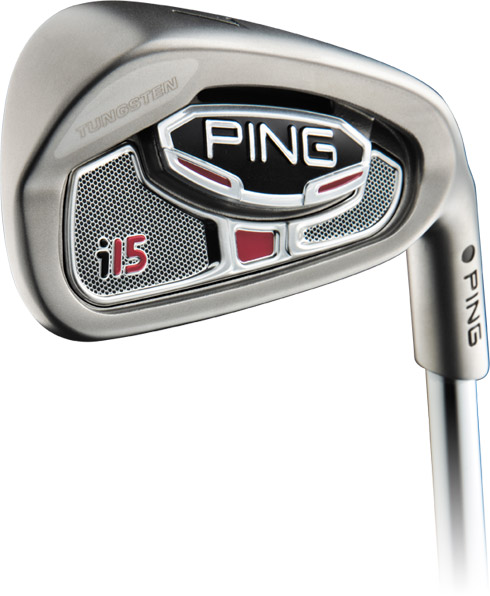 I admit that I held out on the hybrid craze longer than made sense. I carried a two-iron in place of a 5-wood or hybrid and would use it from the tee, the fairway, and the rough when the lie was good enough to goad me into going for it.
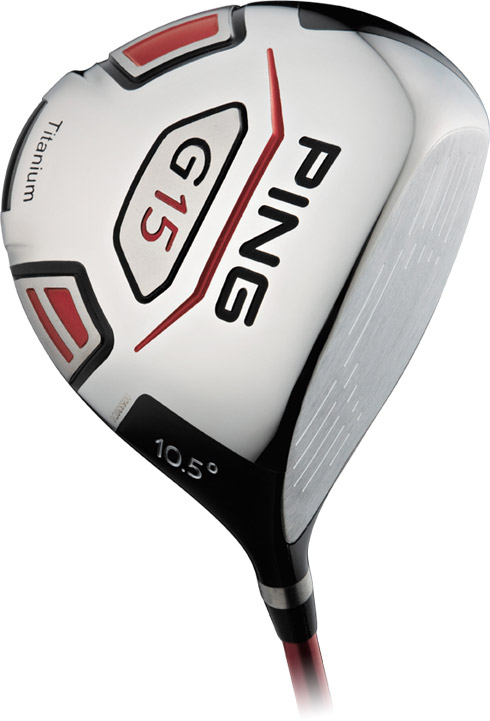 Among the giants of the golf industry,