
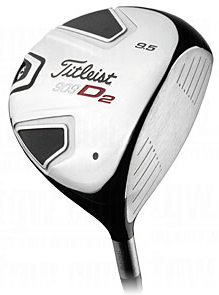
 It seems to me that Titleist’s 909 drivers are the most eagerly awaited Titleist drivers since perhaps… well… in a long time. The retailers I’ve talked with are reporting good sales numbers, and PGA Tour adoption was awfully quick, with the majority of staff players switching before the first ball was struck in 2009. On a personal level, the number of emails, PMs, and IMs I’ve gotten from people anxious to read this review has been off the charts – and the 909H and 909F3 reviews only seemed to wet their whistles.
Titleist is the first to admit that the 907D1 and 907D2 – two drivers with near identical launch conditions but different looks and different MOI characteristics – were perhaps not the best pair of drivers for fitting a wide range of golfers. They’ve corrected that “one set of launch conditions” error with 909, offering three models: the composite-crowned (a first for Titleist!) 909D Comp, the “tweener” 909D2, and a low-launch, low-spin, 440cc 909D3.
Don’t get me wrong – the 907 was a great driver if you were the type of player that fit its launch conditions. I was able to, and switched to 907D2 after playing an r7 425 and an FT-3, and the 907 worked beautifully for me.
Now that I’ve had a chance to test both the 909D2 and 909D3, I’m ready to share my thoughts. Click through for the rest.
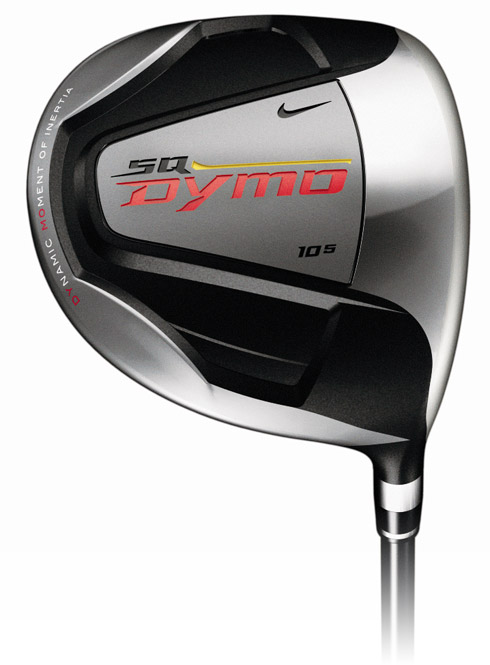 When I first saw that Nike had come out with another set of drivers I have to say I wasn’t all that excited. My experience with Nike’s golf gear has been favorable for the most part. I have carried their clubs in my bag from time to time, but I have always found myself going back to the manufacturers that have been around a little longer. I am a traditionalist at heart, and Nike’s drivers just always seemed a little “out there” for me. They had these goofy two tone crowns and the noise, the sound that emitted from them was ear shattering at best. There was always that one little thing about my Nike club that bothered me. Not bad equipment, but just not my cup of tea.
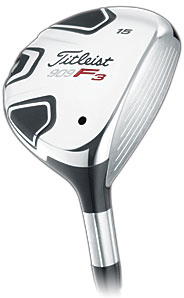 Without even looking at my
 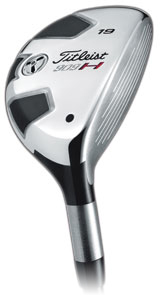 My history with hybrids is a bit different than most. I still carry a 3-iron and can’t see giving it up any time soon. I generate enough swing speed and hit with the right amount of downward and sweeping action that I can hit a 3-iron just fine. This same swing tends to produce some poor results when I put a hybrid intended to replace the 3-iron in play.
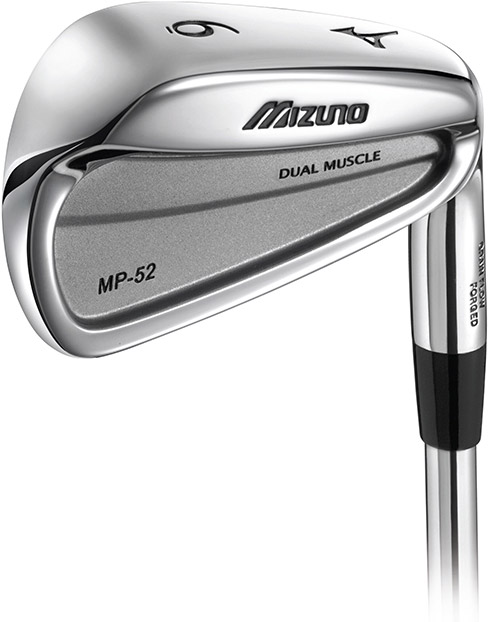 When the MP-52 debuted this fall with its sibling the MP-62, there were two surprises. First, the company’s “Cut Muscle” design of the last several years is missing, replaced with a very different “Dual Muscle” technology. Second, with the MP-52, Mizuno set out to make a more forgiving MP iron. The MP line has always been the domain of low and lower-mid handicappers. They have a reputation as being workable while providing a lot of feedback. Keeping up to those standards with a forgiving club is a bit of a tall order.
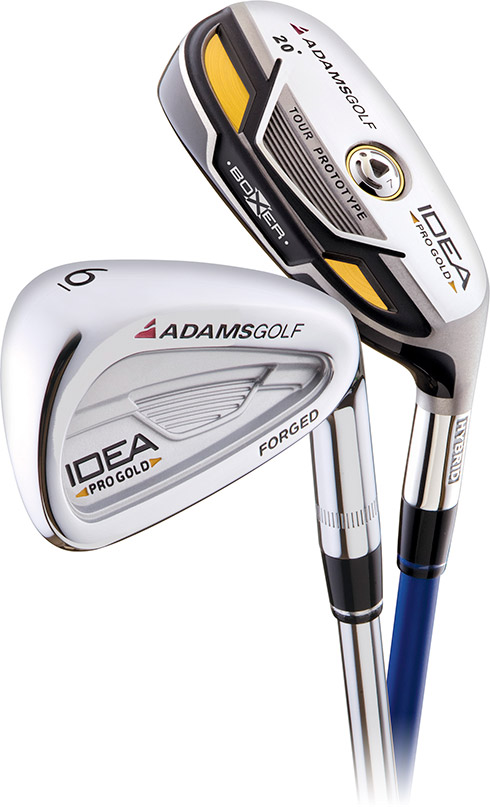 Don’t let the two hybrids fool you. The Adams Idea Pro Gold Irons are intended for better players of all ages. Adams has taken it upon themselves to do you a favor and remove the temptation of those 3- and 4-irons by replacing them with easy-to-hit hybrids. Chances are, after you play these clubs for a little while, you won’t even miss the long irons.
 When you think of Cleveland Golf, you think of a few things. Vijay Singh, the HiBore driver and some classic wedges. One of the last things you might think of is putters.
 Next to one’s putter, your wedges are the most important club in your bag. Considering that the majority of your golf shots occur within 100 yards, having a wedge (or wedges) you can trust is vitally important to playing good golf.
 We received enough reaction to our two articles on Titleist’s fall 2008 equipment releases (the