Jump to content
Check out the Spin Axis Podcast! ×
Note: This thread is 3649 days old. We appreciate that you found this thread instead of starting a new one, but if you plan to post here please make sure it's still relevant. If not, please start a new topic. Thank you!

Recommended Posts

  • Moderator
Posted

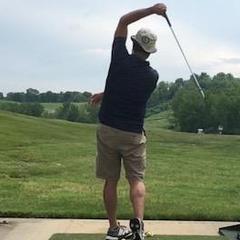
I'm guessing more of weight forward, right side bend. head steady (w/respect to going forward). Also. I'm guessing this amount of right side bend requires more flexibility than normal? This guy almost made himself into a right angle.

Screen Shot 2015-12-06 at 9.44.06 AM.png

Steve

Kill slow play. Allow walking. Reduce ineffective golf instruction. Use environmentally friendly course maintenance.

Awards, Achievements, and Accolades

Posted

I'd guess it's more about core strength than flexibility to be able to hold that position that late into the follow through.

:callaway: Big Bertha Alpha 815 DBD  :bridgestone: TD-03 Putter   
:tmade: 300 Tour 3W                 :true_linkswear: Motion Shoes
:titleist: 585H Hybrid                       
:tmade: TP MC irons                 
:ping: Glide 54             
:ping: Glide 58
:cleveland: 588 RTX 62

Awards, Achievements, and Accolades

  • Administrator
Posted
18 minutes ago, SavvySwede said:

I'd guess it's more about core strength than flexibility to be able to hold that position that late into the follow through.

He's not "holding" that position though. It's dynamic. You can attain a lot of positions dynamically that you can't (or would have trouble) getting into statically.

Pose at the top of your backswing and hold it for even a few seconds… you'll probably start to uncoil. And that's a slower motion anyway (right around transition).

Looks like Paula Creamer, years ago. Or Gulbis.

Erik J. Barzeski —  I knock a ball. It goes in a gopher hole. 🏌🏼‍♂️
Director of Instruction Golf Evolution • Owner, The Sand Trap .com • AuthorLowest Score Wins
Golf Digest "Best Young Teachers in America" 2016-17 & "Best in State" 2017-20 • WNY Section PGA Teacher of the Year 2019 :edel: :true_linkswear:

Check Out: New Topics | TST Blog | Golf Terms | Instructional Content | Analyzr | LSW | Instructional Droplets

Awards, Achievements, and Accolades

Posted
4 minutes ago, iacas said:

He's not "holding" that position though. It's dynamic. You can attain a lot of positions dynamically that you can't (or would have trouble) getting into statically.

Pose at the top of your backswing and hold it for even a few seconds… you'll probably start to uncoil. And that's a slower motion anyway (right around transition).

Looks like Paula Creamer, years ago. Or Gulbis.

True, but wouldn't one need good* core strength to make that move dynamically? Good*- being better than your average golfer?

:callaway: Big Bertha Alpha 815 DBD  :bridgestone: TD-03 Putter   
:tmade: 300 Tour 3W                 :true_linkswear: Motion Shoes
:titleist: 585H Hybrid                       
:tmade: TP MC irons                 
:ping: Glide 54             
:ping: Glide 58
:cleveland: 588 RTX 62

Awards, Achievements, and Accolades

  • Administrator
Posted
Just now, SavvySwede said:

True, but wouldn't one need good* core strength to make that move dynamically? Good*- being better than your average golfer?

I think I could do it. I think you'd be surprised at the positions you can get into…

Yes, there's some base level of flexibility and core strength. And maybe I'm better than the average golfer in both respects (I probably am, now that I think about it, so I'm almost talking myself into agreeing now). So… I don't know. :-) I'll stop typing now. :-D

Erik J. Barzeski —  I knock a ball. It goes in a gopher hole. 🏌🏼‍♂️
Director of Instruction Golf Evolution • Owner, The Sand Trap .com • AuthorLowest Score Wins
Golf Digest "Best Young Teachers in America" 2016-17 & "Best in State" 2017-20 • WNY Section PGA Teacher of the Year 2019 :edel: :true_linkswear:

Check Out: New Topics | TST Blog | Golf Terms | Instructional Content | Analyzr | LSW | Instructional Droplets

Awards, Achievements, and Accolades

Posted

This might seem a bit bizarre thought, but I liken this to a singer who really belts it out. Pours their heart out into a song. Throws caution to the wind and puts it all out there.

Not to make this all about me, but I feel like in my swing, I'm tentative and there's not a chance in the world I would get to a position like that. I'm more reserved and those few moments after impact, I feel like I want to straighten up and get back in control instinctively.

But what I feel I see in the top swings is that they let themselves get very loose, maybe not as dynamic as that pic though. That whole belt pointing to the sky, arch in the back as you pose, weight totally on the front foot- that's tough to let yourself go and do (for me anyway). I feel like I straighten up and stop my swing pretty soon so I'd stay cautious and not ever reach that position above. The problem is not so much intellectually learning the best way follow through, it's letting myself go and be really athletic like I see in that pic (in the way that a singer becomes truly dynamic, gotta just let yourself go).

So my thought to answer your "How does this position happen?" is to answer the negative. It won't happen if you're a cautious, reserved swinger. I feel like I could reach those positions as far as strength and flexibility. But I just can't by my "nature."

Is there anything to that (for golfers in general, not just me), or am I just blowing smoke?

My Swing


Driver: :ping: G30, Irons: :tmade: Burner 2.0, Putter: :cleveland:, Balls: :snell:

Awards, Achievements, and Accolades

  • Moderator
Posted

Here's another one, only difference is the rear foot is almost completely off the ground. Interesting how that changes exit conditions.


Screen Shot 2015-12-06 at 10.35.40 AM.png

Steve

Kill slow play. Allow walking. Reduce ineffective golf instruction. Use environmentally friendly course maintenance.

Awards, Achievements, and Accolades

Posted
9 minutes ago, RandallT said:

This might seem a bit bizarre thought, but I liken this to a singer who really belts it out. Pours their heart out into a song. Throws caution to the wind and puts it all out there.

Not to make this all about me, but I feel like in my swing, I'm tentative and there's not a chance in the world I would get to a position like that. I'm more reserved and those few moments after impact, I feel like I want to straighten up and get back in control instinctively.

But what I feel I see in the top swings is that they let themselves get very loose, maybe not as dynamic as that pic though. That whole belt pointing to the sky, arch in the back as you pose, weight totally on the front foot- that's tough to let yourself go and do (for me anyway). I feel like I straighten up and stop my swing pretty soon so I'd stay cautious and not ever reach that position above. The problem is not so much intellectually learning the best way follow through, it's letting myself go and be really athletic like I see in that pic (in the way that a singer becomes truly dynamic, gotta just let yourself go).

So my thought to answer your "How does this position happen?" is to answer the negative. It won't happen if you're a cautious, reserved swinger. I feel like I could reach those positions as far as strength and flexibility. But I just can't by my "nature."

Is there anything to that (for golfers in general, not just me), or am I just blowing smoke?


I think the biggest thing is really getting the left hip turned out and behind the golfer so there is room to stay in that position.

c19328c2-d025-482c-8fb1-4e10fb580fdc_zps

:callaway: Big Bertha Alpha 815 DBD  :bridgestone: TD-03 Putter   
:tmade: 300 Tour 3W                 :true_linkswear: Motion Shoes
:titleist: 585H Hybrid                       
:tmade: TP MC irons                 
:ping: Glide 54             
:ping: Glide 58
:cleveland: 588 RTX 62

Awards, Achievements, and Accolades

Posted
51 minutes ago, SavvySwede said:

I'd guess it's more about core strength than flexibility to be able to hold that position that late into the follow through.

Not really. If he was actually holding it a the finish then yes. His momentum should be carrying himself opposite in the way his body would want to fall over. The club is moving up. His hip is moving up. Yet his body would probably want to fall down. I think just the turn and movements allow him to get into the position for the short time he is in this position in the swing. 
 

7 minutes ago, SavvySwede said:


I think the biggest thing is really getting the left hip turned out and behind the golfer so there is room to stay in that position.

Maybe I would think of it as since his weight is near the front heel of his left foot then that keeps him from tilting towards the right there. If his weight was more on the balls or toes of his left foot then he would probably topple over. 

Matt Dougherty, P.E.
 fasdfa dfdsaf 

What's in My Bag
Driver; :pxg: 0311 Gen 5,  3-Wood: 
:titleist: 917h3 ,  Hybrid:  :titleist: 915 2-Hybrid,  Irons: Sub 70 TAIII Fordged
Wedges: :edel: (52, 56, 60),  Putter: :edel:,  Ball: :snell: MTB,  Shoe: :true_linkswear:,  Rangfinder: :leupold:
Bag: :ping:

Awards, Achievements, and Accolades

Posted
5 hours ago, saevel25 said:
6 hours ago, SavvySwede said:

I'd guess it's more about core strength than flexibility to be able to hold that position that late into the follow through.

Not really. If he was actually holding it a the finish then yes. His momentum should be carrying himself opposite in the way his body would want to fall over. The club is moving up. His hip is moving up. Yet his body would probably want to fall down. I think just the turn and movements allow him to get into the position for the short time he is in this position in the swing. 
 

5 hours ago, SavvySwede said:


I think the biggest thing is really getting the left hip turned out and behind the golfer so there is room to stay in that position.

Maybe I would think of it as since his weight is near the front heel of his left foot then that keeps him from tilting towards the right there. If his weight was more on the balls or toes of his left foot then he would probably topple over. 


I'd say those are two different feels that are accomplishing the same thing but yeah.

:callaway: Big Bertha Alpha 815 DBD  :bridgestone: TD-03 Putter   
:tmade: 300 Tour 3W                 :true_linkswear: Motion Shoes
:titleist: 585H Hybrid                       
:tmade: TP MC irons                 
:ping: Glide 54             
:ping: Glide 58
:cleveland: 588 RTX 62

Awards, Achievements, and Accolades

Note: This thread is 3649 days old. We appreciate that you found this thread instead of starting a new one, but if you plan to post here please make sure it's still relevant. If not, please start a new topic. Thank you!

Create an account or sign in to comment

You need to be a member in order to leave a comment

Create an account

Sign up for a new account in our community. It's easy!

Register a new account

Sign in

Already have an account? Sign in here.

Sign In Now


  • Want to join this community?

    We'd love to have you!

    Sign Up
  • TST Partners

    PlayBetter
    Golfer's Journal
    ShotScope
    The Stack System
    FitForGolf
    FlightScope Mevo
    Direct: Mevo, Mevo+, and Pro Package.

    Coupon Codes (save 10-20%): "IACAS" for Mevo/Stack/FitForGolf, "IACASPLUS" for Mevo+/Pro Package, and "THESANDTRAP" for ShotScope. 15% off TourStriker (no code).
  • Posts

    • As an analyst by nature, I would like to compare the scores under both systems. It is something we can easily do if we have the data. I actually thought the new system was less fair to those whose game was on the decline - like mine! Old: Best 10 of last 20 scores with the .96 multiplier. Course handicap excluded course rating and overall par. New: Best 8/20. Course handicap includes course rating -par. My understanding is Stableford caps scores at Net double bogey like stroke play. If so, handicap should be slower to rise because you are only using 8 versus 10 scores. If I am missing something, I am curious enough to  want to understand what that may be. My home course tees that I play are 72.1/154 now. My best score out here is 82. When my game started to decline, my handicap didn’t budge for 13 rounds because of good scores in my first 8! I know I am an anomaly but my handicap has increased almost 80% in the past few years (with only a few rounds this year). For a few months I knew I was losing every bet because my game was nowhere near my handicap. I suspect I have steamrolled a few nuances but that shouldn’t matter much. When I have modeled this with someone playing the same tees and course, one good round, or return to form, will immediately reduce the handicap by some amount.
    • Wordle 1,631 3/6* ⬛⬛🟦⬛🟧 ⬛🟧🟧⬛🟧 🟧🟧🟧🟧🟧 Awesome, @WillieT! Go get another!
    • Wordle 1,631 2/6* ⬛🟩🟩🟩⬛ 🟩🟩🟩🟩🟩
    • Day 11: did mirror work for a while. Worked on the same stuff. 
    • I'm not sure you're calculating the number of strokes you would need to give correctly. The way I figure it, a 6.9 index golfer playing from tees that are rated 70.8/126 would have a course handicap of 6. A 20-index golfer playing from tees that are rated 64/106 would have a course handicap of 11. Therefore, based on the example above, assuming this is the same golf course and these index & slope numbers are based on the different tees, you should only have to give 5 strokes (or one stroke on the five most difficult holes if match play) not 6. Regardless, I get your point...the average golfer has no understanding of how the system works and trying to explain it to people, who haven't bothered to read the documentation provided by either the USGA or the R&A, is hopeless. In any case, I think the WHS as it currently is, does the best job possible of leveling the playing field and I think most golfers (obviously, based on the back & forth on this thread, not all golfers) at least comprehend that.   
×
×
  • Create New...

Important Information

Welcome to TST! Signing up is free, and you'll see fewer ads and can talk with fellow golf enthusiasts! By using TST, you agree to our Terms of Use, our Privacy Policy, and our Guidelines.